The Big Cat in Action
SEPECAT JAGUAR IN COMBAT, BY FORMER TORNADO PILOT MICHAEL NAPIER
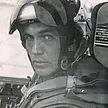
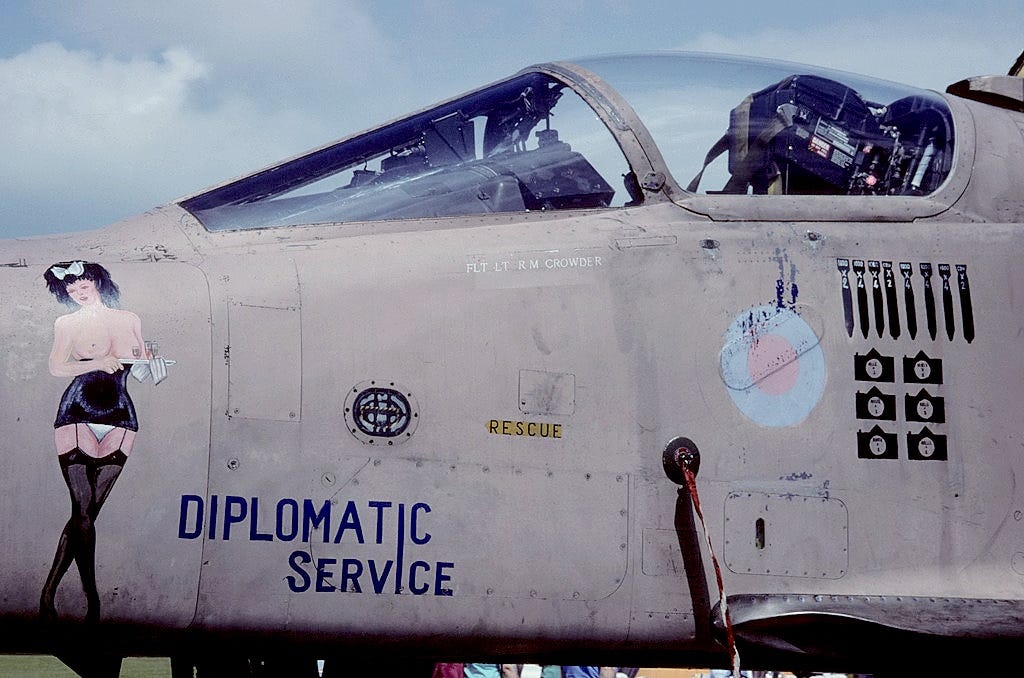
The RAF had several different ground attack aircraft. Where did the Jaguar fit in?
The RAF started the 1970s with the Phantom FGR2, Buccaneer S2 and Harrier as ground attack types. The Harrier was specifically tasked with (short-range) Close Air Support (CAS) for the Army, while the Phantom and Buccaneer fulfilled primarily the (long-range) tactical nuclear strike and deep interdiction roles. It was always intended that the Phantom would be used in the air defence role, so in the ground attack roles it was something of a stop-gap until a replacement entered service.
That replacement was the Jaguar, which entered service in 1974. In RAF Germany, one squadron of Jaguars, 2 Sqn based at Laarbruch, was tasked with tactical reconnaissance, while the four Jaguar squadrons of the Brüggen strike wing, 14, 17, 20 and 31 Sqns, fulfilled the tactical nuclear strike role with the WE177 weapon, as well as offensive counter air and interdiction role; they also had a secondary role of CAS and battlefield air interdiction. The Brüggen wing re-equipped with Tornado in 1984/85. A further three Jaguar squadrons in the UK, based at Coltishall (6, 41 and 54 Sqns) were declared to the UK Mobile Force in peacetime and the Allied Command Europe (ACE) Mobile Force in wartime, and, as you might expect, were ready to deploy at short notice. These units remained Jaguar-equipped until the early 2000s.
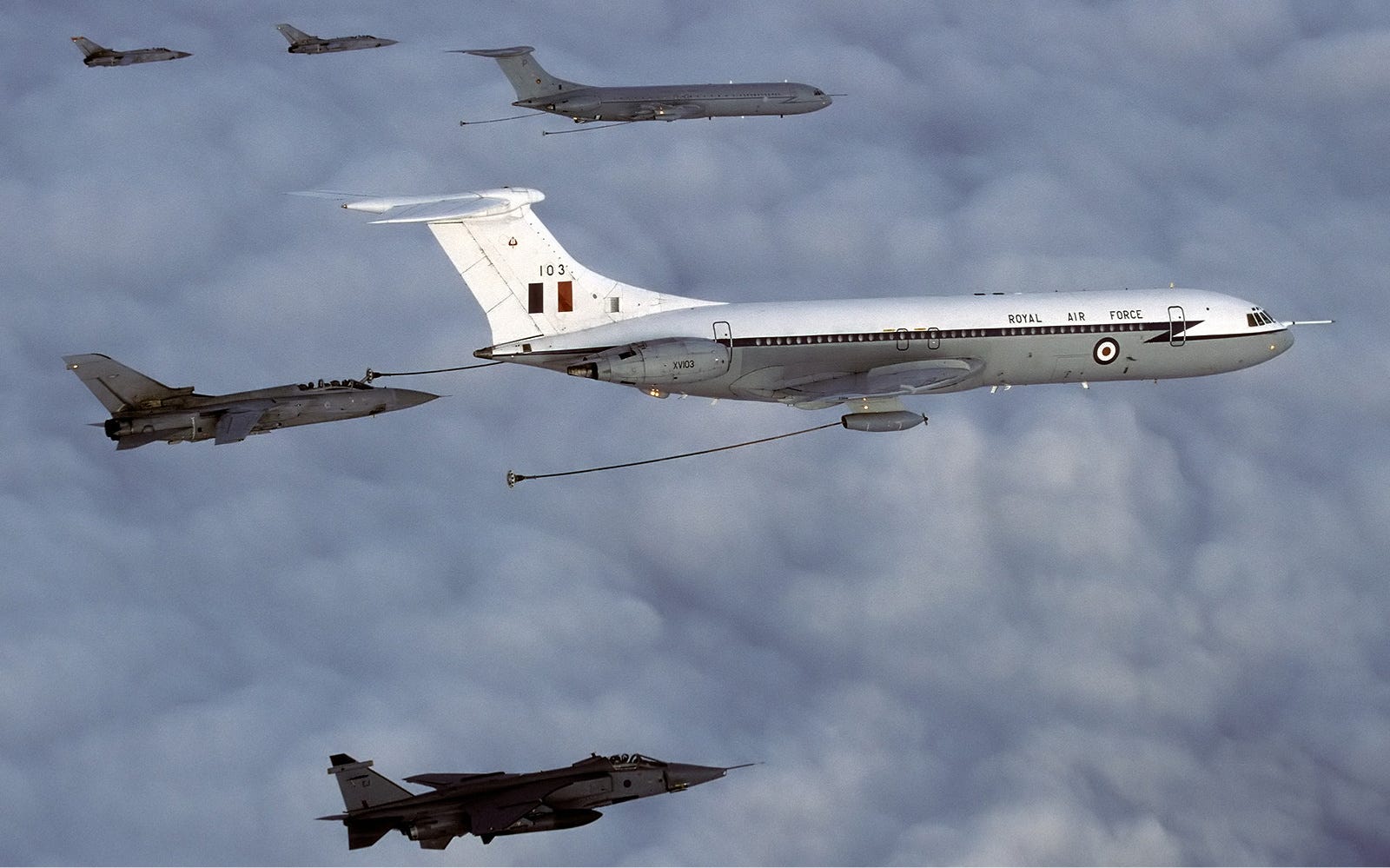
On paper, the Jaguar seems rather slow and underpowered, yet it appears to have proved effective in service. Why was this?
Keep reading with a 7-day free trial
Subscribe to Hush-Kit Aviation Newsletter to keep reading this post and get 7 days of free access to the full post archives.