The Future Fighter Dating Game
Married at First Flight: Which aerospace powers are swiping right after NGF?


The disintegration of the Next Generation Fighter (NGF) element of Europe’s Future Combat Air System has left the global combat-aircraft industry looking rather like the morning after a disastrous speed-dating convention. Delegations that spent years discussing “shared visions” are suddenly back on the market, updating their relationship status. But who will date? And will it last? It’s time for the most expensive dating show in history…welcome to Fighter Island!
Modern fighters are so expensive that few nations can build one on their own. Unfortunately, international defence programmes often start as a strategic partnership and end as a toxic situationship. Everyone talks about love, then three years later, they’re arguing over intellectual property and workshare, and leaving in the morning with their underwear and books in a box. With NGF apparently joining the long list of aerospace relationships that consciously uncoupled faster than a canard delta in freak crosswinds, we ask: Who swipes right next?
France is already eyeing the single life, Germany is rather desperately flirting across the entire European industrial bar, and Spain is simply hoping someone texts back with a dickpic with an Airbus logo attached.
Our panel of entirely unqualified romantic aerospace matchmakers investigates. Sit back as we explain the whole complex situation in 4500 words that won’t feel like homework.
France and India

Wait, are France and India not married? They already run like an old, comfortable ‘monogamish’ relationship: India flies French fighters and wants more. They seem like such a nice couple. Sure, every so often, after a couple of glasses of Haywards 5000, India brings up that awkward night France halted Mirage 2000 production with a mildly resentful “remember when you left me on read for three months?” and France changes the subject, but they still end up back together.
For France, India is the ideal partner: serious money and scale. Enough to make a next-gen fighter programme feel viable rather than a vanity project that leaves the mortgage unpaid. They also (importantly) share France’s love of forcing planes to land on boats.
For India, France offers something equally tempting: advanced aerospace tech leading to eventual happy celibacy. Meanwhile, France worries that it could eventually become a subordinate partner to a nation with a greater appetite.
Though largely harmonious, they wonder if they really want the same thing after all. India wants tech transfer and local production (secretly, it wants to learn enough to eventually leave France and ‘go monk mode’).
Add in India’s lingering situationship with its mental ex, Russia, and the whole thing gets even more complicated and emotionally unresolved. The chemistry is obvious. The sex is still great. But did I see S-400s in her bedside drawer?
The only real question is who gets custody of the source code after the breakup… or the wedding… or whatever this is. Both claim to want independence, but could the attraction be too great to keep them apart? India just hopes France never finds the romantic video Israel sent them:
Compatibility Rating: 8/10
Odds of Getting It On: 4/1
Sweden and Brazil

These sassy underdogs from series 2 of Fighter Island were a huge hit with the public for their fresh approach to military aircraft. Who could forget the lovable cringy moment when Brazil named its transport aircraft Millennium as a tribute to its love of Robbie Williams? Or their classic trolling of the US in calling the Brazilian Gripen the F-39? Clearly a fun couple, yet sensible too.
Unlike many speculative partnerships, this one is built upon an existing relationship. Brazil’s Gripen programme has created real industrial cooperation, real trust and real experience working together. Engineers know each other. Managers know each other. Procurement officials have already survived meetings together. Brazilians have braved pickled herring, and Swedes have fallen for churrasco.
Both nations occupy a similar strategic niche. Neither possesses superpower resources. Neither can casually spend hundreds of billions pursuing technological perfection. Both, therefore, specialise in designing practical, efficient systems that deliver impressive capability without requiring the GDP of a medium-sized continent. There is also philosophical compatibility, even if Swedes are bad at emotional expression and samba.
Swedish aerospace engineering traditionally emphasises flexibility, affordability and intelligent design. Brazil’s aerospace industry has developed under similar pressures, producing sophisticated products while remaining acutely cost-conscious. Neither side suffers from a pathological belief that every aircraft must also be capable of solving climate change and making espresso.
A future joint fighter could occupy an attractive position in the market: advanced enough to compete, affordable enough to export and independent enough to appeal to nations seeking alternatives to American, Chinese or major European suppliers.
The obvious challenge is scale.
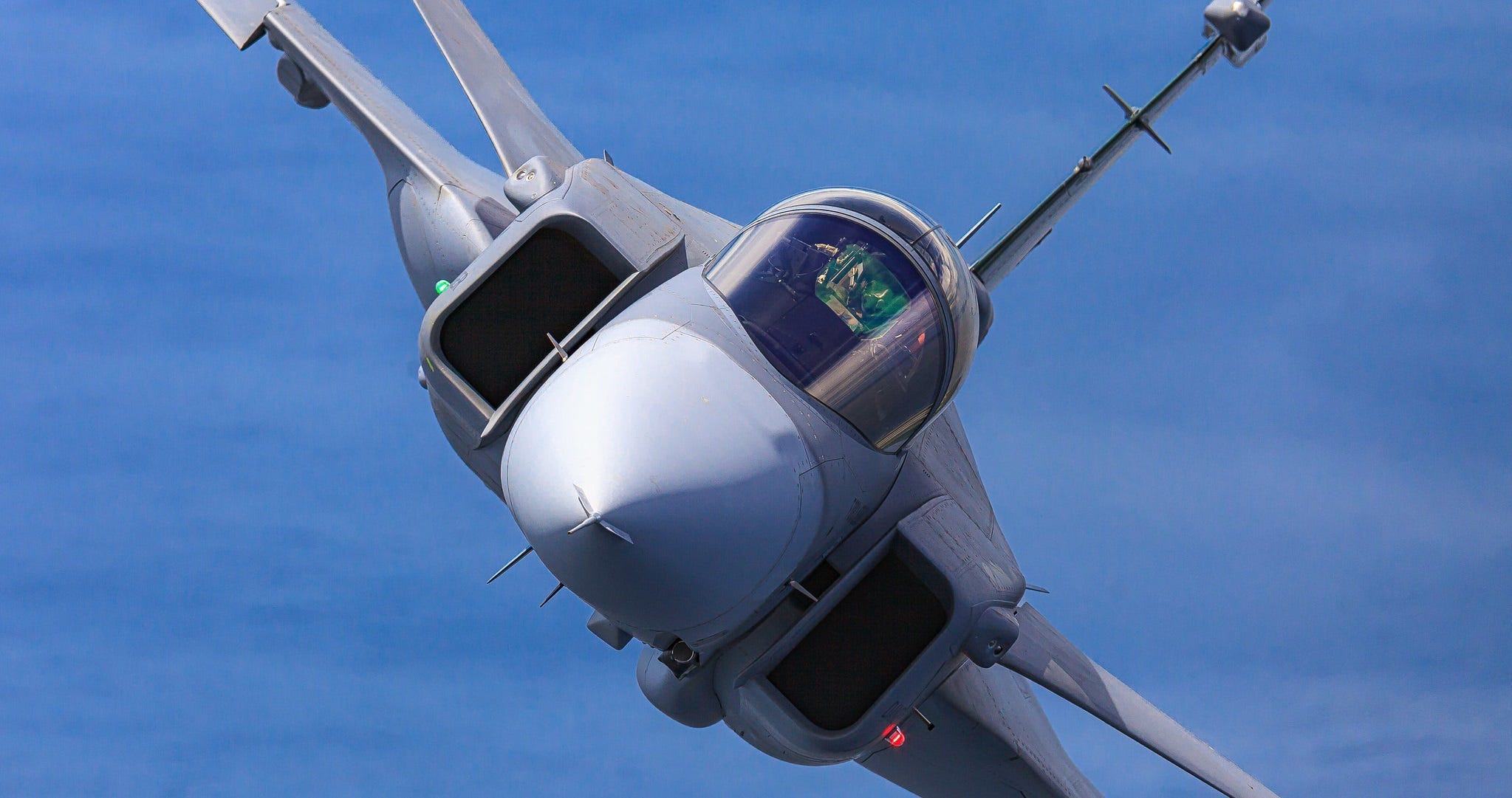
Even together, Sweden and Brazil remain smaller than the giant coalitions behind competing sixth-generation programmes. Additional partners might eventually be required, along with substantial export success.

Still, compared with many proposed partnerships, this one has something unusual.
Evidence. But in dating-show parlance, they’re already sharing a Netflix password. But (and I like big butts) neither has their own motor, and it is handy if at least one partner can drive.
Compatibility Rating: 9/10
Odds of Getting It On: 3/1
Germany and GCAP
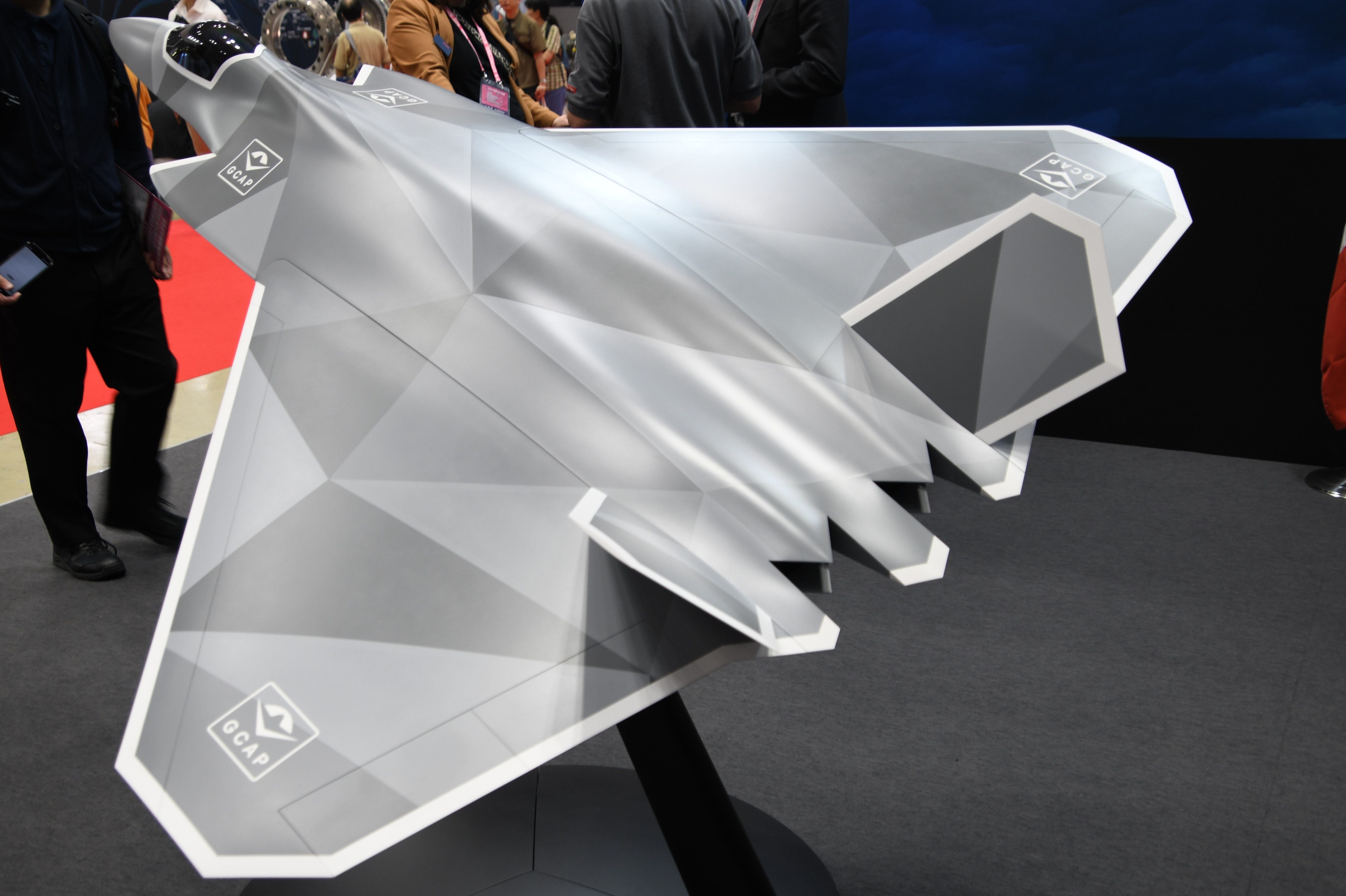
This would be one of the most powerful aerospace partnerships imaginable (barring Sweden and France signing up too). It would also be the defence-industrial equivalent of somebody announcing they are embracing the single life before immediately downloading three dating apps and parking on the edge of the woods